
Through EveryStudent.com you are sharing Jesus with millions with the gospel!

In many evangelical circles, we have become adept at the more manageable aspects of discipleship, like presenting the plan of salvation and leading people in the sinner's prayer, and assigned the more demanding aspects of discipleship, such as meeting the needs of the poor, the widow, the orphan, the hungry, the stranger, the sick, the imprisoned, and the unjustly oppressed to one of two categories: 1) ministry subspecialties for those “called” to them, and 2) stuff for Jesus to make right when He returns.
Unfortunately, when our vision for addressing the broad scope of sin in the world is reduced to Special Forces Christians and Jesus' Second Coming, both we and the world pay a heavy price. We drift toward nihilism, hedonism, and insularism, while the world cries out for a very present help in trouble, wondering if God cares.
James exhorts us in 2:15-16, “Suppose a brother or a sister is without clothes and daily food. If one of you says to them, 'Go in peace; keep warm and well fed,' but does nothing about their physical needs, what good is it?” Now, in our own context, suppose some of our brothers or sisters are being killed, maimed, or exploited because of the color of their skin.
If we say to them, “Go in peace; stay safe,” but do nothing to address their vulnerability, what good is it? Or, suppose our friends are about to get displaced from the neighborhood because their apartment complex is being torn down by a developer. If we tell them, “Go in peace; land on your feet,” but do nothing to help them with their housing crisis, what good is it?
The question is: How do we live this out as part of our Christian discipleship? Is it really our universal call as Christians to heal the brokenhearted, shelter the homeless, fight public injustice, defend the widow and the orphan, feed the hungry, and clothe the naked? The Word of God says it is, but relatively few of us in the modern evangelical church live such a radical life. What factors prevent us from doing so?
As both a disciple and disciple-maker over the past 20 years, I have found the following 3 things to be the greatest obstacles in my own life:
I had to learn the hard way that discipleship is not a linear progression from lost and carnal to obedient and thriving. I've seen people choose abortion, spiral downhill in their addictions, commit adultery and even terrible acts of violence after their conversion, sometimes after years of walking with God. When we're concerned primarily with behavior management, our posture toward people whose choices violate our biblical understanding of right and wrong will be, “What is wrong with you?” But when we begin to understand the way that broken-heartedness operates and heals, our posture toward them will shift to, “What happened to you?” We will learn to be fully present with people as they wrestle with fundamental questions about pain, suffering, evil, God's will, forgiveness, and redemption. As I have built relationships with very broken people, I've been compelled to wrestle with God over these questions about the pain and suffering in my life and others. Messy people often function as a mirror that reflects the darkest, most fractured parts of ourselves whose questions and doubts we would rather ignore. If we allow it, they can make us more honest and more connected to what matters.
There's a saying that was born out of an aboriginal movement in Queensland (Australia) in the 1970s, often attributed to Lilla Watson: “If you have come here to help me, you are wasting your time. But if you have come because your liberation is bound up with mine, then let us work together.”
When we approach people struggling with poverty, addiction, mental or physical illness, homelessness, or imprisonment, it's easy to fall into the trap of treating them like home improvement projects. But the reality is that regardless of our station of life, we are all in dire need of spiritual liberation. Early on in our experience of ministering to poor people, my husband and I were passionate do-gooders. We practiced radical hospitality. We also helped people rewrite resumes, find employment, obtain housing, and learn financial management strategies. But I was easily frustrated when I didn't see progress in a timely manner or when people we were strenuously helping made choices that met my disapproval. Severe ministry burnout and a long period of reflection finally helped me recognize that I needed to be liberated from self-righteousness, classism, prejudice, and the need to control people, outcomes, and timelines.
Good intentions are useful for getting us started, but they aren't as useful for helping us persevere through inconvenience and discomfort. However, if we're committed to loving and discipling people on the margins – the ones whom Jesus repeatedly centers in his teachings about the kingdom of God – we need to realize and accept that it means sharing the burdens of their difficult existence. Coming alongside people whose lives involve unstable housing, dangerous physical environments, reliance on public transportation, and chronic job insecurity means receiving phone calls at inconvenient times about unexpected events. It means being prepared to sacrifice both scheduled and leisure time to help them address overbearing problems. It means facing situations we have no idea how to approach and seeking the Lord to provide the answers we need. It means obeying Galatians 6:2 – “Carry each other's burdens, and in this way you will fulfill the law of Christ.” For affluent or even just financially stable people, this means rejecting the privileged option of insulating ourselves from the pain and inconvenience of systemic poverty and life on the margins.
Hebrews 12:1-2 refers to all these heart obstacles as the sin that so easily entangles. We're instructed to throw them off. As we do, we will become increasingly available as the hands and feet of Jesus, helping God's will be done on earth as it is in heaven.
Judy Wu Dominick is a freelance writer and singer/songwriter who lives with her family in Atlanta, Georgia. A second-generation Taiwanese-American, she has served as a lay leader in a multiethnic church congregation and has created a training for first responders to identify and help victims of human trafficking. You can follow her at lifeconsidered.com or on Twitter: @JudyDominick.
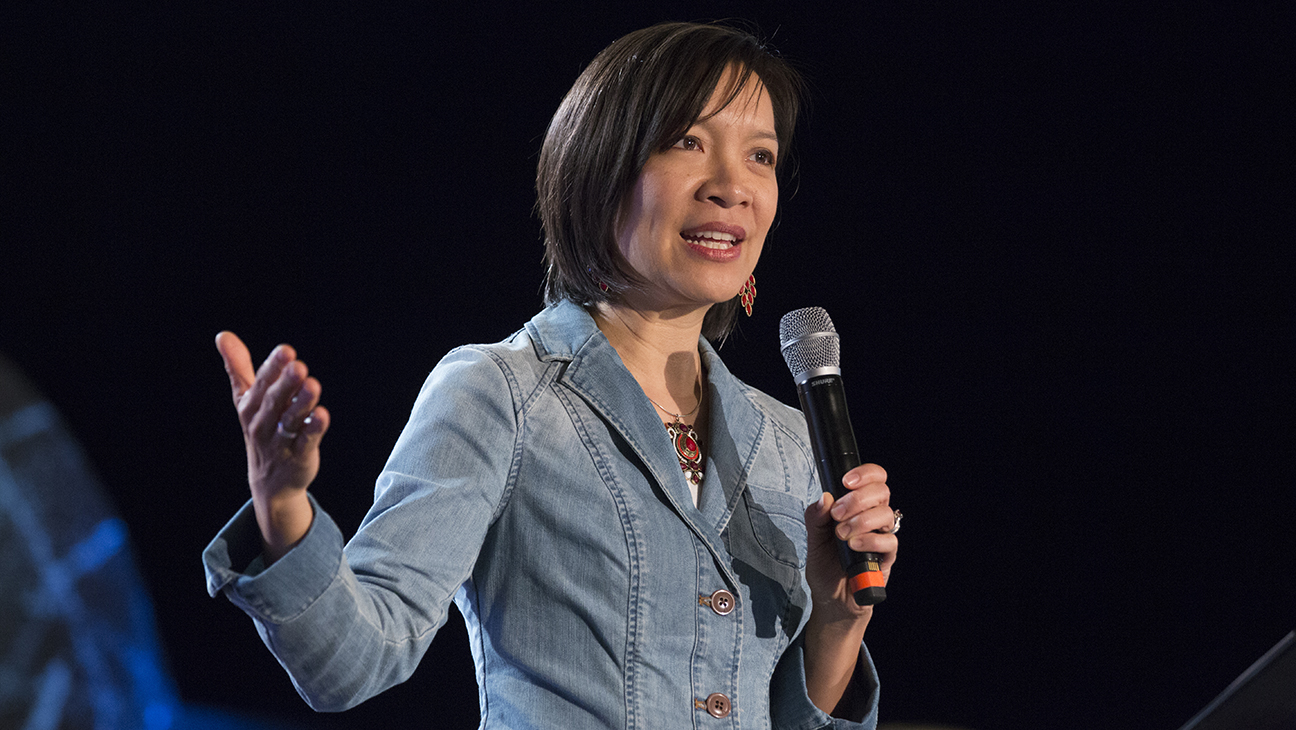
This article is based on Judy's "Discipleship: Aiming for the Heart" talk at Creating Options Together 2016, a training event for Cru's inner-city ministry. You can listen to the whole message here and enjoy further media content from the Creating Options Together Conference here.
Want to learn more about Cru's inner-city ministry? Click here.
©1994-2025 Cru. All Rights Reserved.